
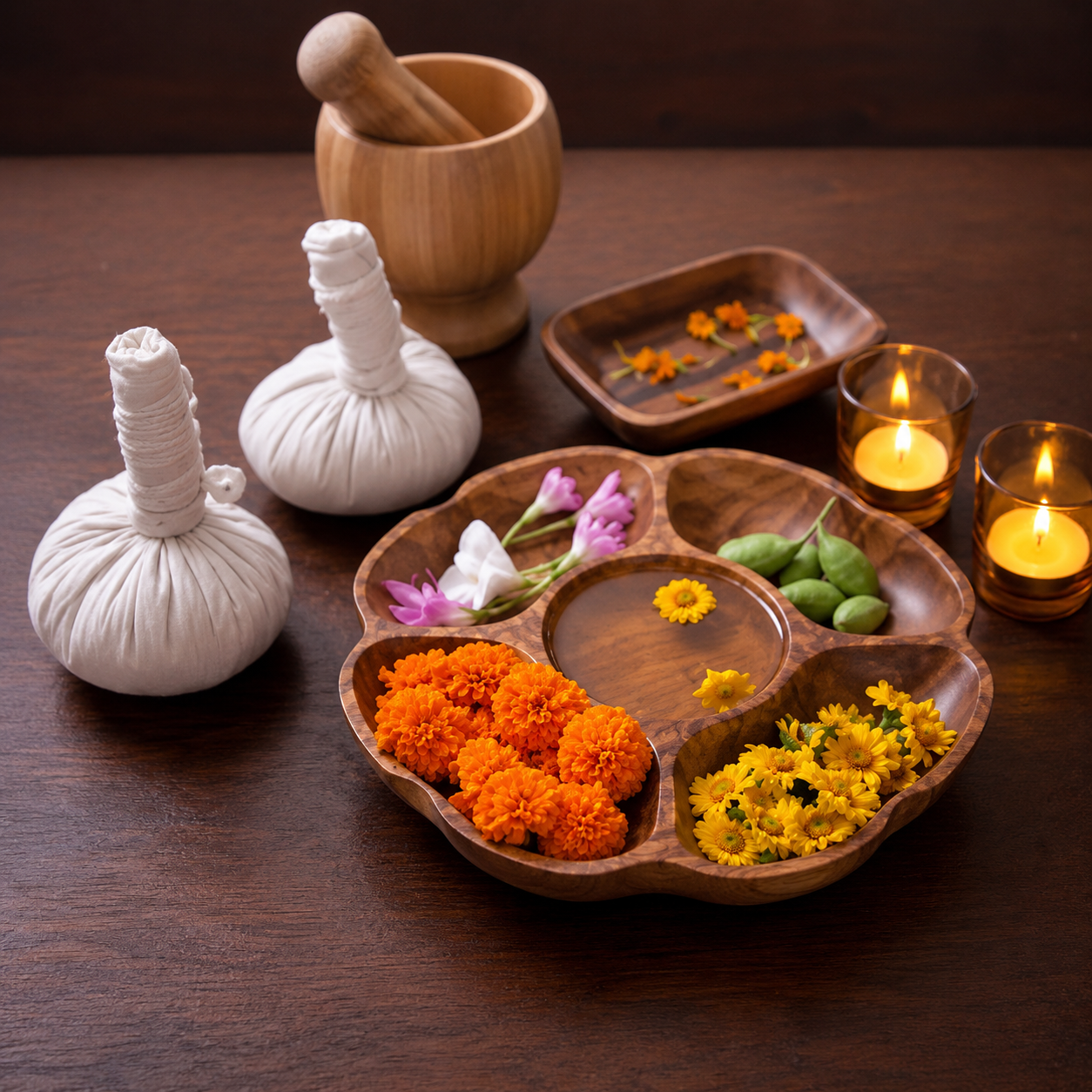
Authentic Panchakarma is not a wellness cleanse or a spa reset, it is a practitioner-designed therapeutic protocol developed within Ayurvedia over thousands of years.
The panchakarma wellness experience programme follows a specific therapeutic sequence that cannot simply be shortened, standardized, or selected from a spa menu.
Panchakarma Wellness Experience is Not a Detox Programme. It is a Medical Protocol.
The word detox has been used so broadly in the wellness market that it has lost almost all precision. Panchakarma is not in that category.
It is a specific, practitioner-designed, practitioner-supervised clinical programme developed within Ayurvedic medicine over thousands of years codified in the Charaka Samhita and Sushruta Samhita, refined across centuries of clinical practice, and still delivered today in its classical form by practitioner trained within the tradition.
What makes Panchakarma distinct from every other wellness protocol:
from a juice cleanse, from a detox retreat, from a herbal supplement programme?
is that it works through the body’s own systems, in a specific sequence, with a specific preparatory phase that must be completed before the main procedures begin.
You cannot substitute a different preparatory method.
You cannot shorten the sequence.
You cannot do it without a practitioner’s ongoing assessment throughout.
The procedures follow from the assessment; the assessment guides the procedures throughout; and the post-treatment protocol extends the work after the retreat ends.
This journal covers the full Panchakarma protocol;
what it involves, day by day, in clinical and experiential terms.
It is written for the person who has already decided they want Panchakarma and needs to understand what they are committing to before they arrive.
| Wellness Detox | Authentic Panchakarma |
|---|---|
| Generalized programme | Individualised practitioner-led protocol |
| Short-term cleanse | Structured therapeutic process |
| Spa-style relaxation | Medical assessment & supervision |
| Flexible schedule | Sequential treatment phases |
| Optional dietary changes | Prescribed therapeutic diet |
| Cosmetic wellness focus | Long-term physiological restoration |
For the orientation to Ayurveda as a system and the broader retreat experience, start with the Ayurveda Retreat parent journal.
The Three Phases of Panchakarma
Panchakarma is not a single procedure. It is a three-phase protocol in which each phase is prerequisite to the next.
Phase 1: Purvakarma (preparation)
The body is prepared to release toxins accumulated in the tissues through two specific processes: internal and external oleation (Snehana) and therapeutic sweating (Swedana).
This phase is not optional; the main Panchakarma procedures work most effectively and most safely, only when Purvakarma is complete.
Phase 2: Panchakarma (the five procedures)
The main detoxification and rejuvenation procedures, prescribed specifically for the individual’s constitution, current imbalance, and the conditions identified in the initial assessment.
Not all five procedures are used in every programme; the practitioner selects the combination appropriate for the individual.
Phase 3: Paschatkarma (post-treatment)
The consolidation phase that begins at the end of the programme and extends into the weeks and months after the retreat.
Dietary, lifestyle, and herbal protocols prescribed by the practitioner that protect the work done in Phases 1 and 2 and support the body’s continued recovery.
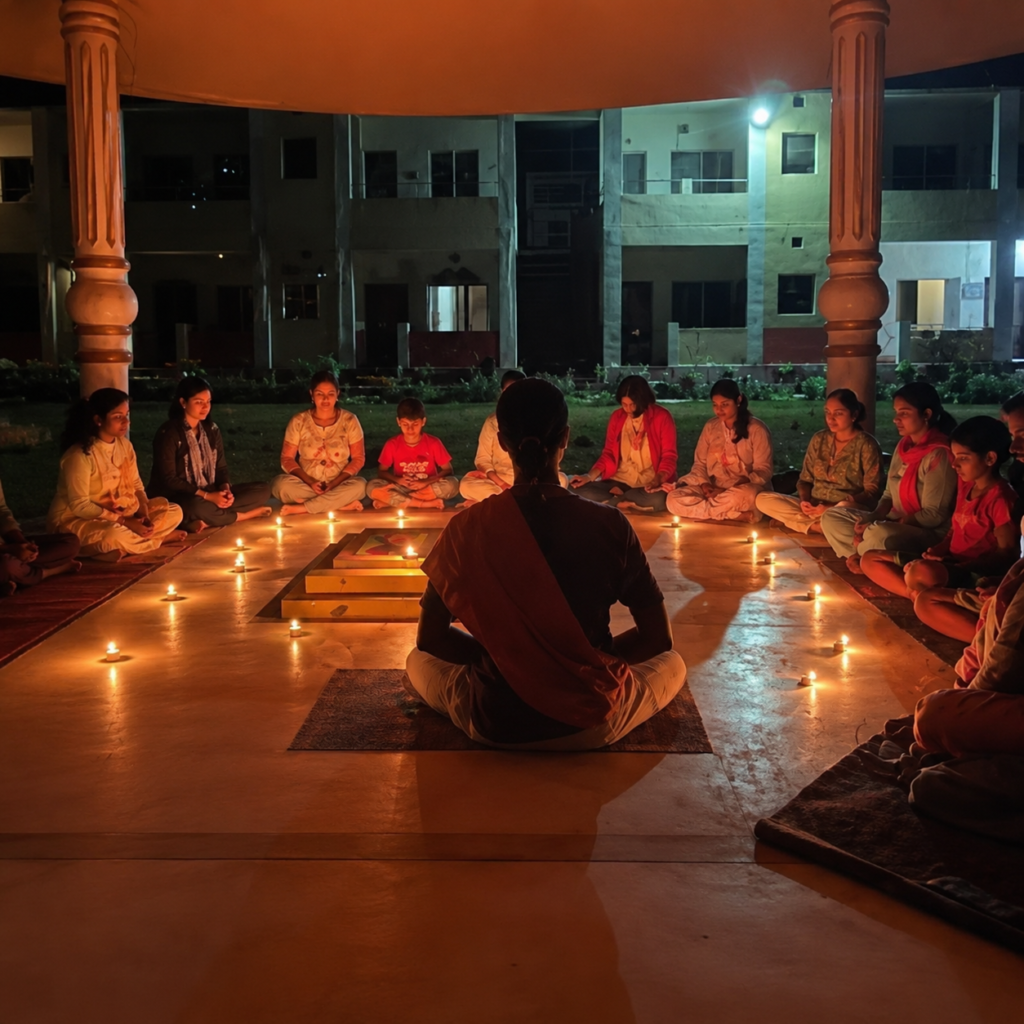
What Happens During the Initial Practitioner Consultation
Nothing in a Panchakarma programme should begin before a comprehensive initial consultation with a BAMS or MD Ayurveda physician.
The consultation has two primary assessments:
Nadi Pariksha (pulse diagnosis)
The Ayurvedic practitioner reads the pulse at the radial artery on both wrists, at three positions corresponding to Vata, Pitta, and Kapha respectively.
The pulse assessment reveals the current state of the doshas:
which are elevated, which are depleted, which have accumulated in specific tissuesl
and provides information about the digestive fire (Agni),
the state of the body’s channels (Srotamsi),
and the overall vitality of the system.
An experienced practitioner can read the pulse for 10-15 minutes; a rushed pulse assessment is a quality signal.
Health History Assessment
A comprehensive intake covering current symptoms and their duration, medical history including prior diagnoses and surgeries, current medications, dietary patterns, sleep quality, elimination regularity, energy levels, emotional state, and life circumstances.
The thoroughness of this intake determines the accuracy of the programme design.
From these two assessments, the practitioner determines:
the individual’s Prakriti (baseline constitutional nature),
Vikriti (current state of imbalance),
the nature of the accumulated toxins (Ama) and their likely location in the body’s tissues, and the specific Panchakarma procedures most appropriate for this individual.
Phase 1: Purvakarma — Why Preparation Matters
Purvakarma prepares the body for the main procedures by loosening accumulated toxins from the tissues and moving them toward the digestive tract, from where the Panchakarma procedures can eliminate them.
Two processes constitute Purvakarma:
Snehana – oleation (internal and external)
Internal Snehana:
The individual drinks medicated ghee (Sneha) on an empty stomach each morning, in increasing quantities across the preparatory days.
The ghee is medicated with specific Ayurvedic herbs chosen for the individual’s condition and doshic imbalance.
The rationale:
Fat-soluble toxins, particularly those accumulated in the fat tissues, nervous system, and bone marrow;
the deeper tissues that water-based cleansing cannot reach, are loosened and mobilised by the fat medium of the ghee, making them available for the subsequent elimination procedures.
The medicated ghee protocol is the most consistently under-described aspect of Panchakarma in wellness content, and the one that produces the most unprepared first-timers.
The practical reality:
Warm, medicated ghee, sometimes with a distinctive herbal flavour and odour, drunk in increasing quantities;
typically beginning at 30-60ml and building to 150-240ml or more, depending on body weight and practitioner assessment, on an empty stomach before anything else is consumed that morning.
For three to five consecutive mornings. The ghee is consumed until the practitioner assesses that internal oleation is sufficient;
indicated by the appearance of oiliness in the skin, the stool, and specific qualities in the pulse.
On the days of medicated ghee intake, only light, easily digestible food is consumed for the remainder of the day.
This is not a comfortable experience for most people.
Understanding this before arrival makes it manageable rather than shocking.
External Snehana
Abhyanga – the synchronised four-hand full-body oil massage delivered with medicated oils specific to the individual’s constitution, is the external oleation component of Purvakarma.
Daily Abhyanga across the preparatory phase loosens toxins from the skin and superficial tissues and begins the process of moving them toward the digestive tract.
Swedana: therapeutic sweating:
Following Abhyanga, therapeutic sweating (Swedana) is induced;
most commonly through a steam chamber (a wooden box in which the individual sits with their head outside, the body enclosed in steam from herbs-infused water) or through the application of heat via herbal poultices.
The combination of Snehana and Swedana (oleation followed by sweating), produces the classical Ayurvedic preparation;
the toxins are loosened (Snehana), the channels are opened and the circulation increased (Swedana), and the toxins are positioned for elimination by the main procedures.
The duration of Purvakarma, typically three to five days, is determined by the practitioner’s assessment of when internal oleation is complete.
The main Panchakarma procedures are not scheduled in advance; they are initiated when the practitioner determines that Purvakarma has produced the intended preparation.
Phase 2: The Five Classical Panchakarma Procedures Explained
Vamana — Therapeutic Emesis
The administration of a specific herbal preparation that induces controlled vomiting as a means of eliminating accumulated Kapha dosha from the upper digestive tract and respiratory system.
Vamana is prescribed specifically for Kapha conditions; respiratory disorders (chronic bronchitis, asthma), skin conditions (eczema, psoriasis), obesity, and chronic congestion.
It requires specific precautions:
the individual must be in stable health, without active infection or fever, and the Purvakarma preparation must be complete.
Vamana is among the most rarely prescribed Panchakarma procedures in contemporary practice;
because the Kapha conditions for which it is the indicated treatment are less common than Vata and Pitta conditions,
and it requires close practitioner supervision and specific individual preparation.
Do not expect Vamana to be part of your programme unless the practioner’s assessment specifically indicates Kapha excess as the primary condition.
Virechana — Therapeutic Purgation
The administration of a specifically formulated herbal purgative to eliminate excess Pitta dosha from the liver, small intestine, and digestive tract.
Virechana is the most commonly prescribed purificatory Panchakarma procedure in contemporary practice.
Pitta imbalance is the most prevalent dosha excess in the modern lifestyle, and the digestive tract is the primary site of Pitta accumulation.
The experience of Virechana:
on the designated day, typically after the Purvakarma phase is complete, the individual takes the prescribed purgative, usually in the morning after light food or milk.
Loose stools follow, the practitioner counts and assesses the number and character of the eliminations to determine that the procedure has achieved the intended effect.
The day of Virechana involves staying close to the facility;
it is a day of rest, careful dietary management, and the specific quality of lightness that most individuals describe as one of the most distinctive and positive effects of the entire Panchakarma programme.
Post-Virechana dietary protocol:
the individual begins with very light, thin gruel and progresses gradually over several days to normal food.
The digestive system is highly sensitive after Virechana; the reintroduction of food is a clinical protocol, not a comfort choice.
Basti— Medicated Enema
Considered the most therapeutically powerful of the five Panchakarma procedures, and the primary treatment for Vata conditions.
The term Basti covers two distinct procedures administered in alternating sequence:
Nirooha Basti (decoction enema):
A herbal decoction, a water-based preparation of Ayurvedic herbs, honey, rock salt, and oil;
administered as an enema and retained for the prescribed duration before being expelled.
Nirooha Basti works on the colon, the primary site of Vata accumulation, through the herbal and mineral constituents of the preparation.
Anuvasana Basti (oil enema):
Warm medicated oil administered as an enema, typically retained for a longer period than Nirooha Basti.
Anuvasana Basti nourishes and lubricates the colon and the deep tissues, addressing the dryness and depletion that characterise Vata excess.
A course of Basti typically involves alternating Nirooha and Anuvasana treatments across multiple days.
The classical formulation is a series of 8, 15, or 30 Bastis depending on the severity of the condition and the duration of the programme.
In contemporary retreat practice, a shorter course is typically administered; the practitioner determines the number appropriate for the programme duration.
Basti is the Panchakarma procedure that most individuals approach with the most uncertainty and experience as the most unexpectedly beneficial.
The relief of sustained Vata conditions:
chronic constipation, dryness, anxiety, insomnia, joint stiffness,
following a course of Basti is among the most consistently reported outcomes in Panchakarma clinical practice.
Nasya — Nasal Administration
Medicated oils, herbal preparations, or powders administered through the nasal passage;
The nose being described in Ayurveda as the gateway to the brain, and therefore the route through which head and nervous system conditions are most directly addressed.
Nasya is preceded by local Snehana (oil massage) and Swedana (steam) of the head and neck region to open the channels.
The preparation is then administered in small quantities into each nostril, typically with the individual lying down with the head tilted back.
The preparation is inhaled into the nasal passages, distributed into the sinuses, and eventually expelled through the throat.
Prescribed primarily for:
sinus conditions, chronic headaches and migraines, neurological conditions;
in classical texts, including conditions of the eyes, ears, and throat, and the general clearing of the head channels.
The immediate post-Nasya experience is one of significant clearing;
a quality of openness in the nasal passages and head that most individuals find distinctly positive, following an initial period of adjustment to the sensation of the preparation being administered.
Raktamokshana — Therapeutic Bloodletting
The fifth classical Panchakarma procedure involves the controlled removal of a small quantity of blood to eliminate Pitta and Rakta (blood) toxins.
Raktamokshana is rarely practised in contemporary Ayurveda retreat settings, for two reasons:
the regulatory frameworks governing medical bloodletting in most countries require specific clinical infrastructure, and the conditions for which it is the primary indicated treatment, for severe blood-borne Pitta conditions, specific inflammatory skin conditions, are typically managed through alternative Ayurvedic interventions in retreat contexts.
Where it is offered, it is administered only under close medical supervision by a practitioner specifically trained in the procedure.
Phase 3: Paschatkarma — Why the Programme Continues After the Retreat
Paschatkarma is the post-treatment protocol that consolidates Panchakarma’s effects and prevents the body from returning to its previous state of imbalance.
It is prescribed by the practitioner at the close of the programme and extends for a period the practitioner determines;
typically two to four weeks of specific dietary management, six to eight weeks of lifestyle adjustment, and sometimes longer-term herbal supplementation.
Dietary Protocol
The reintroduction of food after Panchakarma follows a specific sequence:
thin gruel to rice gruel to light khichdi to progressively more complex food.
The timeline for this reintroduction is determined by the intensity of the programme and the specific procedures administered.
Virechana in particular requires careful dietary reintroduction; the digestive system is highly sensitive and the fire (Agni) is being rekindled gradually after the procedure.
Lifestyle Adjustments
The practitioner will prescribe specific lifestyle modifications relevant to the individual’s constitution and the conditions addressed:
sleep schedule adjustments, exercise recommendations (typically light and moderate during the consolidation phase; building gradually), stress management, and the avoidance of specific environmental or dietary triggers that the assessment has identified as factors in the individual’s imbalance.
Dinacharya (daily self-care routine)
The practitioner’s post-Panchakarma guidance typically includes a daily self-care protocol drawing from classical Ayurvedic practice:
tongue scraping, oil pulling (Kavala Graha), self-Abhyanga with warm medicated oil, specific Pranayama practices, and seasonal dietary adjustments.
These practices, maintained consistently, extend the programme’s therapeutic work into ordinary life.
Herbal Supplementation
Where prescribed, specific Ayurvedic formulations support the post-Panchakarma consolidation:
digestive tonics to maintain the improved Agni;
Rasayana formulations (classical rejuvenation preparations) to restore vitality; specific formulations addressing the residual conditions not fully resolved during the programme.
These are prescription items, not over-the-counter supplements.
The Commitment Required
Paschatkarma requires genuine commitment.
The body after Panchakarma is in a state of heightened receptivity;
the programme has cleared accumulated toxins and opened the body’s channels;
what is introduced in the weeks immediately following determines whether the space created is filled with health or with a return of the previous imbalance.
Returning directly to alcohol, heavy food, irregular schedules, and high stress within the first weeks after Panchakarma is the most reliable way to negate the programme’s therapeutic benefits.
What to Expect in a Panchakarma Wellness Experience Retreat: Day-by-Day Arc
No two Panchakarma programmes follow an identical daily schedule, because the programme is prescribed based on the individual assessment and adjusted throughout based on how they are responding.
The following is a representative arc for a 14-day programme:
Days 1-5 (Purvakarma)
Morning medicated ghee on an empty stomach in increasing quantities.
Light meals during the day.
Daily Abhyanga and Swedana in the late morning or early afternoon.
Significant rest between sessions.
The mood: unfamiliar, slow, slightly disorienting for the first two days as the pace decelerates sharply; by day three or four, most individuals describe a quality of settling.
Day 5-6 (transition – practitioner assessment)
The practioner assesses whether internal oleation is complete.
If it is, the Purvakarma phase ends and the preparatory diet shifts.
If not, one or two additional days of ghee intake may be prescribed.
Days 6-12 (main Panchakarma procedures)
The prescribed procedures are administered based on the practitioner’s programme design.
Virechana, if prescribed, typically occurs in this window;
one specific day designated for the purgation, with the days before and after in specific dietary management.
Basti treatments are administered across multiple days in this period.
Nasya is typically included in most programmes.
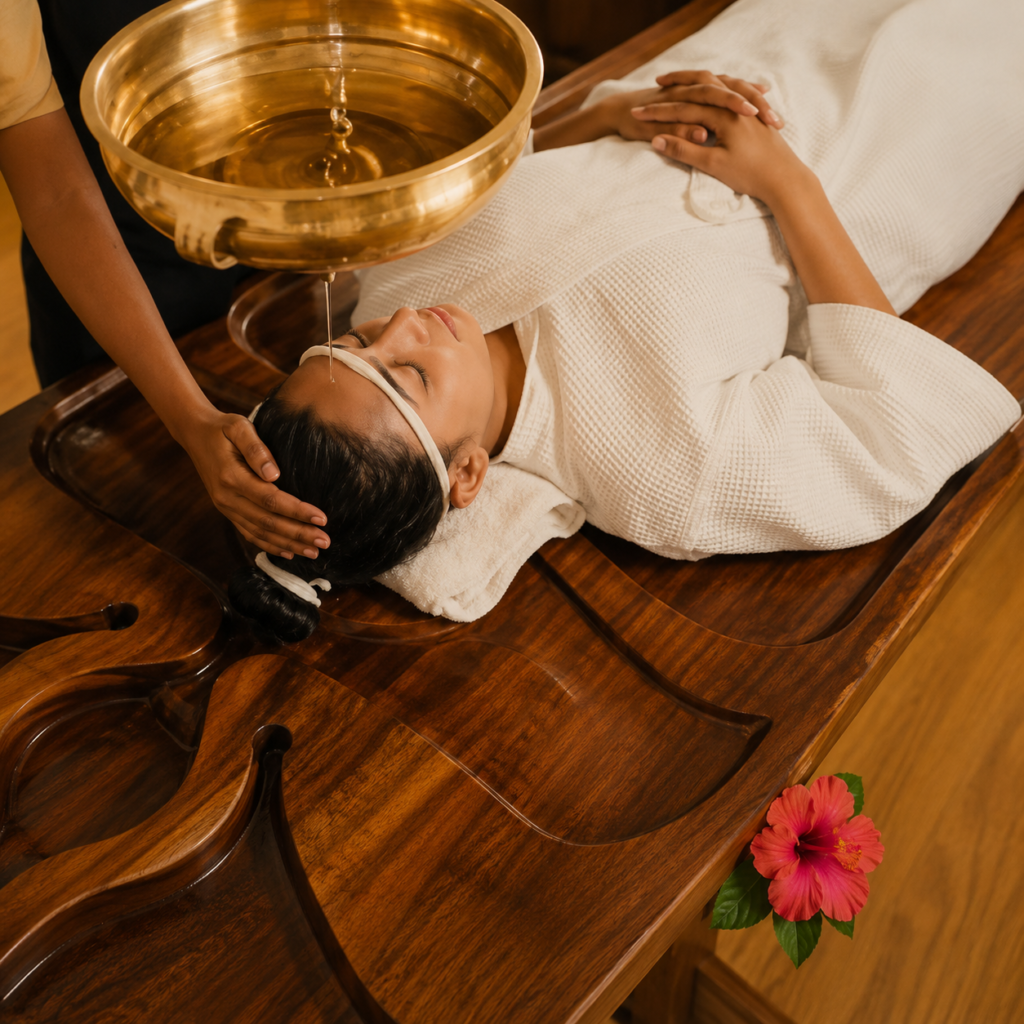
Daily Abhyanga continues; other supporting treatments (Shirodhara, Kizhi, Pizhichil) are administered as prescribed.
Days 13-14 (close and Paschatkarma initiation)
The active procedure phase ends.
The practitioner conducts a closing assessment.
Paschatkarma guidance is provided in full, dietary protocol, lifestyle recommendations, herbal supplements if prescribed.
The diet begins its gradual reintroduction sequence: thin gruel to rice gruel to light cooked food, progressing over several days to normal food.
The Psychological Arc
The first three to four days of a Panchakarma programme are the most demanding — the ghee protocol, the deceleration of pace, and the body beginning to mobilise toxins through the Purvakarma phase all coincide.
By the middle week, most people describe a quality of physical ease and mental clarity that is qualitatively different from ordinary relaxation.
The final days carry a specific mixture of physical lightness and the approaching end of the programme — the awareness that what has been built in the retreat will need to be sustained after it.
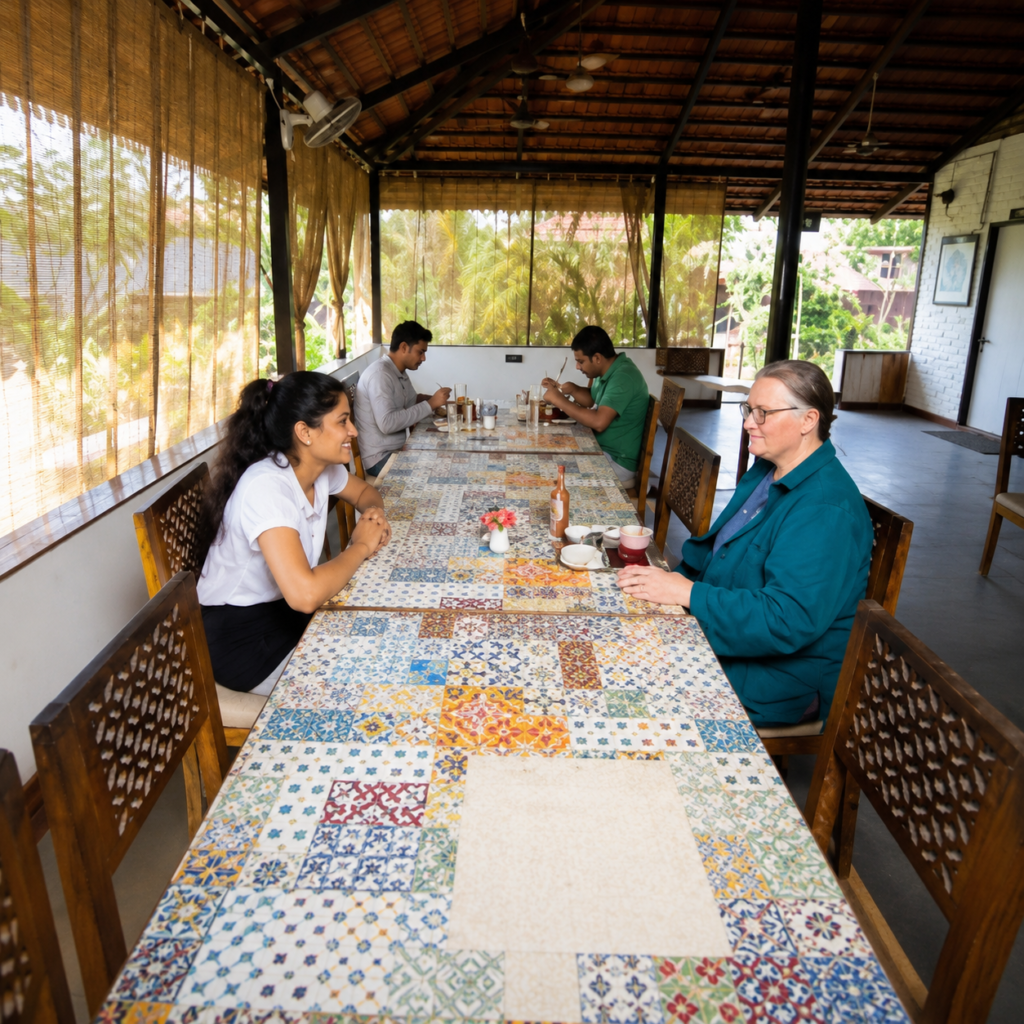
Best Season or Climate for Panchakarma
Classical Ayurvedic texts recommend the monsoon season (Varsha Ritu; approximately June to August) as the optimal period for Panchakarma.
The specific atmospheric conditions like higher humidity, moderate temperatures, lower wind are described in the classical literature as creating conditions in which the body’s pores are open, the skin is receptive, and medicated oils are absorbed most effectively.
Many of the most respected institutions schedule their most intensive programmes in the monsoon months or are naturally based in such climatic zones.
Benefits of Panchakarma and Who is it Specifically Suited For
Panchakarma produces the most significant outcomes for individuals with:
Chronic digestive conditions:
constipation, irritable bowel, sluggish digestion, acid reflux.
The direct action of Virechana and Basti on the digestive and eliminatory systems produces the most reliably documented improvements in these conditions.
Chronic musculoskeletal conditions:
arthritis, joint stiffness, chronic back pain.
The deep tissue action of Kizhi and the specific Vata-pacifying effect of Basti consistently produce reported improvement in musculoskeletal inflammation and stiffness.
Chronic stress, anxiety, and sleep disorders:
The Vata-pacifying combination of Abhyanga, Shirodhara, and Basti addresses the nervous system dimension of these conditions through a mechanism that Western interventions for the same conditions do not replicate.
Skin conditions
eczema, psoriasis, chronic acne, rosacea.
Virechana’s specific action on Pitta and the topical applications relevant to skin conditions produce documented improvements in many individuals across a 14-21 day programme.
Metabolic conditions
elevated cholesterol, pre-diabetic markers, thyroid irregularities:
where an Ayurvedic practitioner assessment has determined that a Panchakarma protocol is appropriate alongside or following conventional medical management.
Panchakarma is not a substitute for conventional medical management of these conditions;
it can be a meaningful complementary intervention when the programme is appropriately designed and the individual’s conventional treatment team is informed.
Who Should Not Do Panchakarma
Panchakarma should not be undertaken by:
pregnant women; anyone with active infection, fever, or acute inflammatory conditions;
anyone who has had recent surgery (minimum 3-6 months recovery, depending on procedure);
children under seven years old;
the very elderly or severely debilitated without specific practioner assessment and modified programme design;
anyone with severe cardiac conditions without specific practitioner clearance;
anyone with active mental health crisis or severe psychiatric conditions without a supporting treatment team.
The above is a summary, not a complete clinical contraindications list.
The treating practitoiners assessment at the initial consultation is the definitive determination.
Disclosure of all relevant conditions, medications, and history before the consultation is the mechanism that allows the practitioner to make that determination accurately.
Choosing the Right Ayurveda Panchakarma Wellness Experience Retreat
The Practioner
The role of the attending practitioner across a Panchakarma programme is not limited to the initial consultation and the prescribing of procedures.
In a genuine therapeutic programme, the practitioner conducts daily or every-other-day assessment;
evaluating the treatment seeker’s response to the previous day’s treatments, the state of the pulse, the quality of elimination, the mood and energy, and adjusting the programme accordingly.
An individual who shows unexpected sensitivity to a specific preparation receives an adjusted dose.
An individual who responds more quickly than anticipated to Virechana may require a different post-purgation protocol from the standard.
An individual whose pulse indicates a different doshic picture on day seven than on day one may receive a modified second week.
This ongoing clinical responsiveness is the defining difference between a genuine Panchakarma programme and a fixed menu of Ayurvedic treatments.
It requires a practitioner who is genuinely practising, not a consultant who checks in once and delegates the programme to therapists.
Cost Framework for Panchakarma Specifically
Panchakarma costs vary significantly by programme duration, facility quality, and practitioner involvement.
The following refers specifically to Panchakarma programmes as distinct from general Ayurveda wellness retreats:
| Duration | Tier | Approx range* |
|---|---|---|
| 7 days (minimum) | Basic to mid-range | ₹40,000–90,000* |
| 14 days | Mid-range | ₹80,000–2,00,000* |
| 14 days | Premium to luxury | ₹2,00,000–5,00,000* |
| 21 days | Premium to luxury | ₹3,00,000–8,00,000+* |
| International (Europe) | Premium | Equivalent in EUR; often higher than India for comparable programme |
Panchakarma is among the most specific and most demanding therapeutic experiences available in the wellness category.
Its demands — the commitment, the pace, the submission to a practitioner’s prescription, the ongoing assessment, the post-treatment commitment, are precisely the conditions that make it work.
Understanding these before you arrive is not preparation for an ordeal; it is preparation for a programme that delivers what it promises when engaged with honestly.
Frequently Asked Questions
What is Panchakarma treatment?
Panchakarma is a physician-supervised Ayurvedic detoxification and therapeutic protocol involving preparation, cleansing procedures, dietary regulation, and post-treatment recovery designed to restore balance and eliminate accumulated toxins.
Is Panchakarma just a detox retreat?
No. Authentic Panchakarma is not a generic detox programme or wellness cleanse. It is a structured therapeutic medical protocol within Ayurveda involving physician assessment, individualized treatment planning, and carefully sequenced procedures.
How long should a Panchakarma programme ideally last?
A meaningful Panchakarma programme generally requires at least 7–14 days, while deeper therapeutic protocols often extend to 21 days depending on the patient’s condition and physician assessment.
What happens during Panchakarma preparation?
The preparation phase, called Purvakarma, includes internal oleation using medicated ghee, external oil therapies such as Abhyanga, and therapeutic sweating procedures designed to loosen toxins before elimination.
Is Panchakarma comfortable?
Not always. While many participants experience deep relaxation later in the programme, the early stages—particularly medicated ghee intake and detoxification procedures—can be physically and emotionally demanding.
Who should avoid Panchakarma?
Panchakarma may not be appropriate for pregnant women, individuals with active infections, recent surgery recovery, severe cardiac conditions, or active psychiatric crises without physician clearance and proper medical support.
What is Paschatkarma?
Paschatkarma is the post-treatment recovery phase after Panchakarma involving dietary guidance, lifestyle adjustments, herbal support, and daily self-care routines designed to consolidate the programme’s therapeutic effects.
How can I identify a genuine Panchakarma retreat?
A genuine Panchakarma programme includes physician consultation, individualized treatment planning, ongoing medical supervision, prescribed diet, and treatments adjusted continuously based on patient response.